
A Homeowner's Guide to Ice Damming and Snow Load in Colorado Springs
Winter along the Front Range is truly something to behold. From the first dusting of snow on Pikes Peak to the quiet, crisp mornings, it’s a season of beauty. But for homeowners, that picturesque snow can hide potential threats to your home's most important protector: your roof. Two of the most common and damaging winter issues we see are ice damming and excessive snow load. Understanding these problems is the first step toward preventing costly damage. As your local roofing experts in Colorado Springs, we at Revival Roofing believe in empowering homeowners with the knowledge to protect their investment. This guide will walk you through what to look for and how to keep your home safe and sound all winter long.
What Exactly is an Ice Dam?
Many homeowners have seen the impressive icicles that can form on the edge of a roof, but they are often a sign of a serious problem known as an ice dam. It’s a ridge of ice that forms at the eaves of a roof, preventing melting snow from draining properly.
Here’s how it happens:
- Heat Escape: Heat from your home rises into the attic and warms the underside of the roof deck.
- Snow Melts: This warmth causes the snow on the upper parts of your roof to melt, even when the outside temperature is below freezing.
- Water Refreezes: The meltwater runs down the roof until it reaches the cold eaves and gutters, which are not warmed by attic heat. Here, the water refreezes, creating a blockage or “dam.”
- Water Backs Up: As more snow melts, the water pools behind this dam. With nowhere to go, it can seep back up under your shingles and into your home.
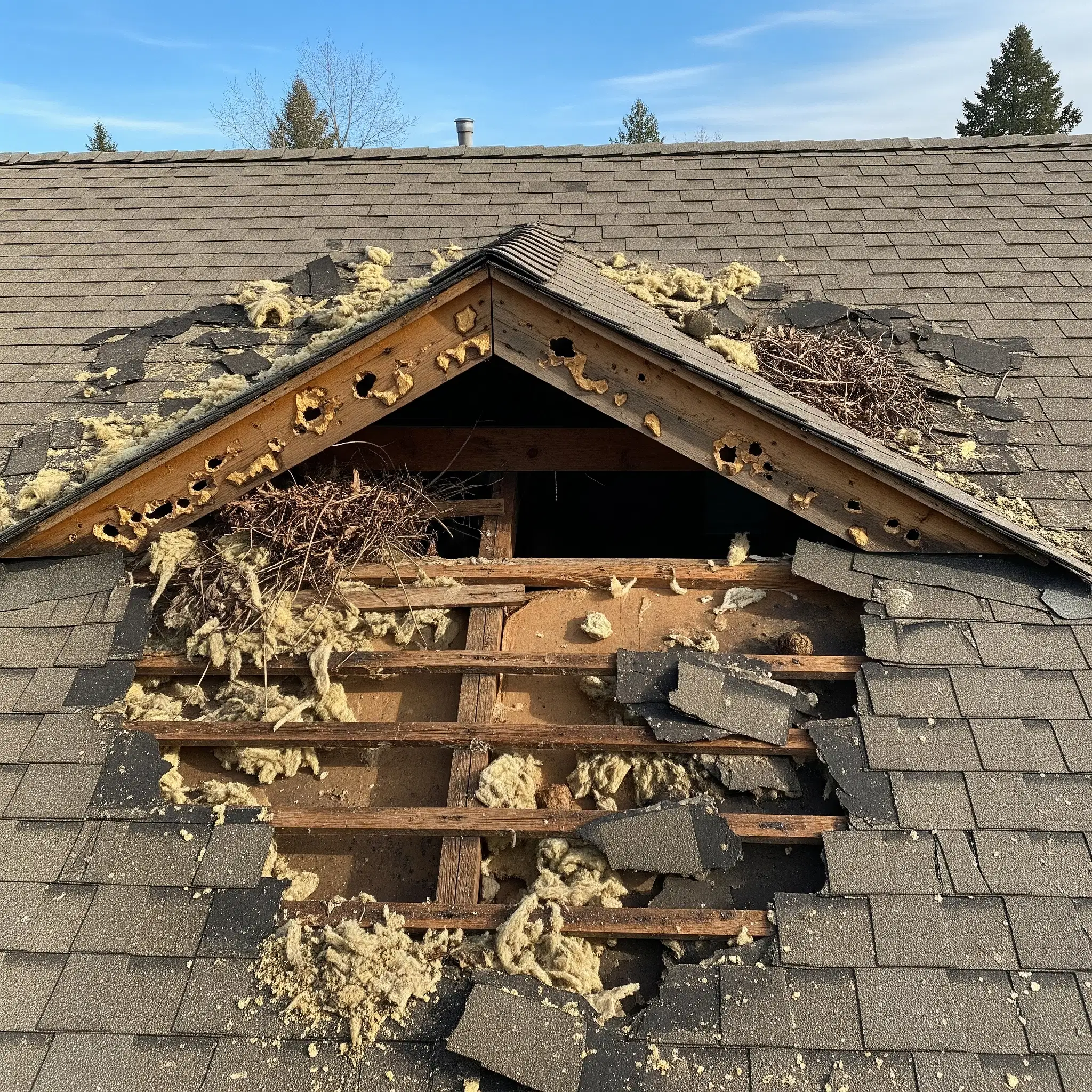
The consequences can be severe, leading to water-stained ceilings, damaged insulation, peeling paint, and even mold growth inside your walls. What starts as a winter wonderland outside can quickly become a major headache inside, which is why prevention is so critical.
The Hidden Dangers of Heavy Snow Load
While a blanket of fresh snow looks beautiful, its weight can put immense stress on your home’s structure. The weight of snow varies greatly; light, fluffy snow is much less of a concern than the wet, heavy snow common during our freeze-thaw cycles in The Springs. A single cubic foot of wet snow can weigh 20 pounds or more, and that adds up quickly across an entire roof.
Most modern roofs are built to handle a significant snow load, but it’s important to be aware of the warning signs of excessive stress:
- Strange Noises: Creaking, groaning, or popping sounds from the roof or attic.
- Sticking Doors: Interior doors that suddenly begin to stick or are difficult to open and close can indicate a shift in the frame due to roof stress.
- Visible Sagging: Any noticeable bowing or sagging in the roofline is a serious red flag.
- Cracks in Drywall: New cracks appearing on interior walls or ceilings near the center of your home.
Ignoring these signs can lead to structural damage or, in extreme cases, roof collapse. Being vigilant after a heavy snowfall is key to catching potential issues before they escalate.
Proactive Steps for Winter Roof Protection
Fortunately, you can take several proactive steps to defend your home against both ice dams and dangerous snow loads. The best defense is a well-maintained roofing system.
1. Ensure Proper Attic Insulation and Ventilation: This is the most effective long-term solution for preventing ice dams. A well-insulated attic floor keeps warm air from escaping your living space, while proper ventilation (through soffit and ridge vents) keeps the roof deck cold. This consistency in temperature prevents the melting and refreezing cycle from starting.
2. Keep Your Gutters Clean: Before winter arrives, make sure your gutters and downspouts are free of leaves and debris. Clogged gutters are a primary contributor to ice dam formation, as they prevent meltwater from draining away. A functional gutter system is your roof's first line of defense. Learn more about our gutter services.
3. Consider a Professional Roof Inspection: An annual inspection can identify vulnerabilities before they become major problems. A professional can check for damaged shingles, inadequate flashing, and poor ventilation that could contribute to winter damage. This gives you peace of mind and a plan for any necessary roof repairs.
4. Safe Snow Removal: For heavy accumulations, using a long-handled roof rake can help alleviate the weight. However, it's crucial to do this safely from the ground and to avoid damaging your shingles. Never get on an icy or snow-covered roof yourself.
Your Partner in Winter Roof Safety
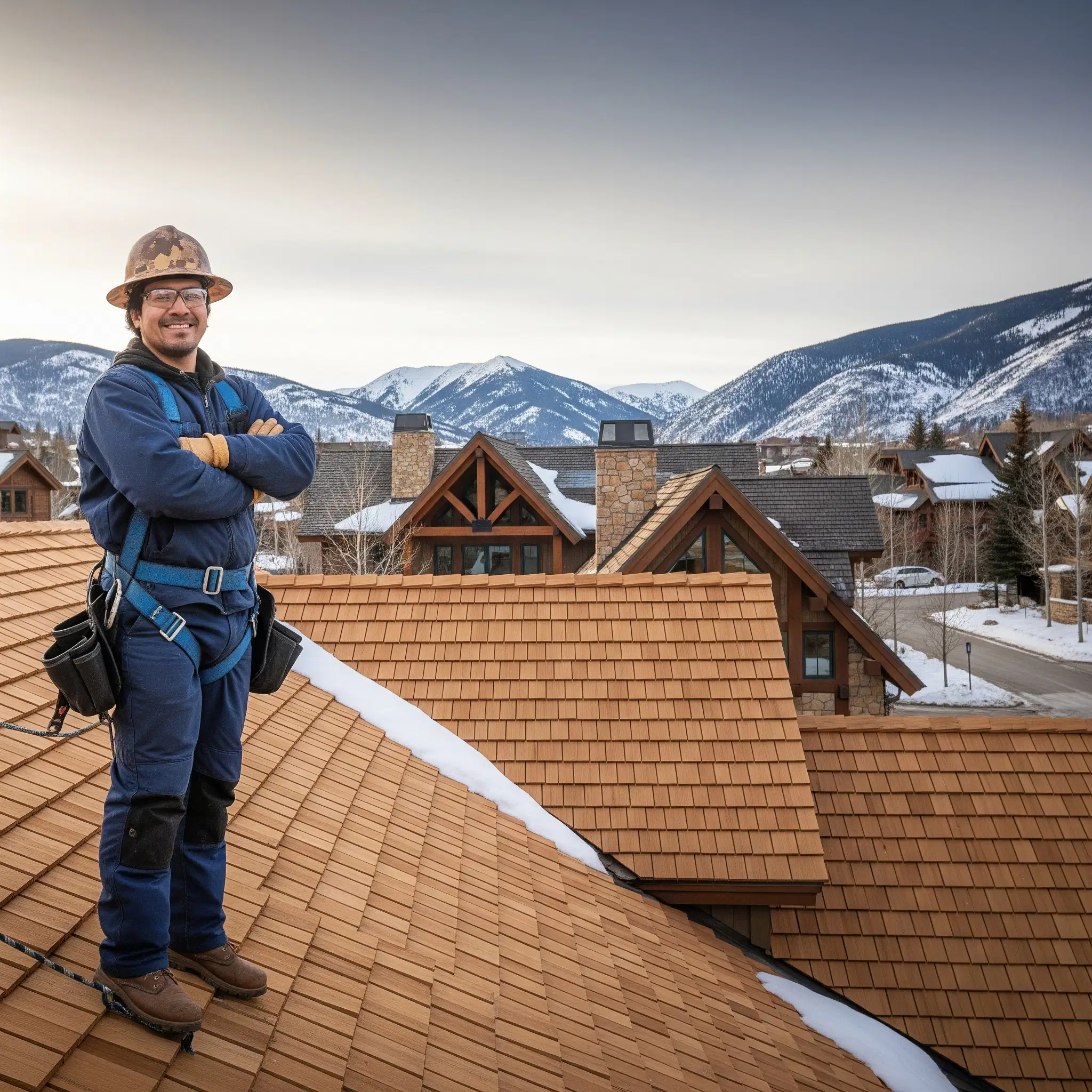
Winter in our beautiful city should be a time of enjoyment, not worry. By understanding the risks of ice damming and heavy snow load, you can take the right steps to protect your home. At Revival Roofing, our work is guided by integrity and a commitment to honest, reliable service for our neighbors.
Don't wait for a leak to appear in your ceiling. If you have concerns about your roof's condition or want to ensure it's prepared for the season, we're here to help. Contact us today to schedule a professional residential roofing inspection. Let our team provide the peace of mind you deserve, ensuring your Colorado Springs home remains a safe, warm sanctuary all winter long. Get in touch with us to learn more.